
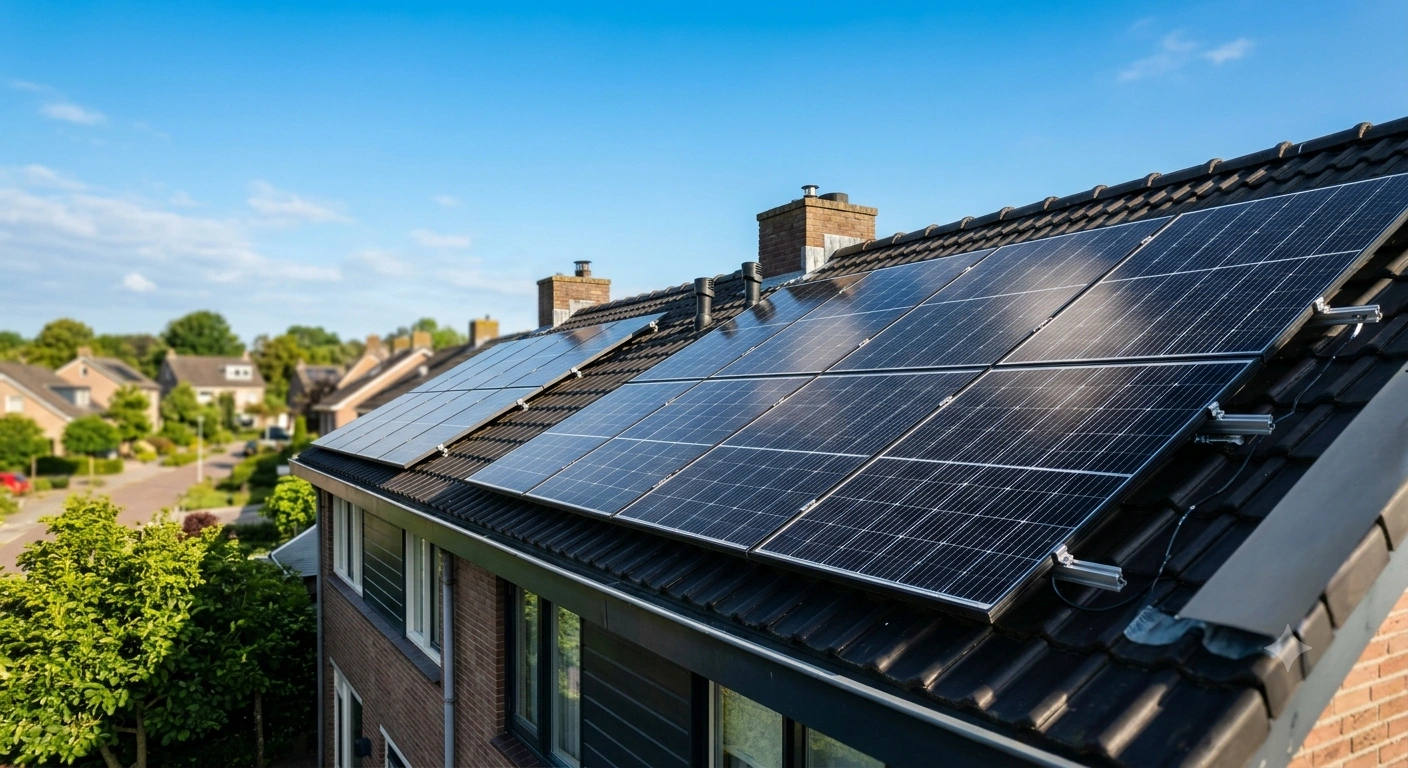
You don’t need to own a roof — or install a single panel — to get power from solar. Community solar programs let renters and homeowners alike subscribe to a share of a local solar farm and get credited on their regular electric bill. Here’s how it works and where it’s most available.
What community solar actually is
A solar farm is built somewhere in your utility’s service area. You subscribe to a portion of its output — either by paying a subscription fee or simply signing up at no upfront cost, depending on the program. Your share of the energy produced shows up as a credit on your regular electric bill, typically saving you 5-15% compared to standard rates.
Who it’s a good fit for
- Renters who can’t install rooftop panels
- Homeowners whose roof is shaded, poorly angled, or not solar-friendly
- Anyone who wants a lower bill and cleaner energy without the upfront cost of a home solar installation
Where community solar is most established
Availability depends entirely on state policy, since it requires legislation allowing shared/virtual net metering. States with the most mature programs include:
- New York — one of the largest community solar markets in the country
- Massachusetts — strong incentive structure through its SMART program
- Minnesota — one of the earliest and largest community solar gardens programs
- Illinois — expanding rapidly under the Illinois Shines program
- Maryland — active pilot program now made permanent
- Colorado — long-running program with multiple subscription options
- New Jersey — growing permanent community solar program
States without enabling legislation may still have limited utility-run pilot programs, so it’s always worth checking directly even if your state isn’t listed above.
How to find a program in your state
- Search “[your state] community solar” plus your utility provider’s name
- Check your state’s public utilities commission website for approved programs
- Call your utility directly — many now list community solar subscriptions alongside standard rate plans
- Compare the subscription’s savings percentage and any cancellation terms before signing up — some contracts include early termination fees
Before subscribing to any program, confirm it’s backed by your actual utility or a state-registered developer — verify legitimacy through your state’s public utility commission rather than a cold call or door-to-door offer.