

Natural gas has no smell of its own. That rotten-egg odor is added on purpose — the built-in warning system, and it works remarkably well if you trust it the moment you notice it.
Signs Worth Taking Seriously
- The unmistakable sulfur smell
- A hissing or whistling sound near a line, appliance, or meter
- Dead or discolored patches of vegetation in the yard, which can point to an underground leak
- Bubbles in standing water near a gas line
- Dizziness, headache, or nausea that eases the moment you step outside
That last one is easy to dismiss as unrelated fatigue, which is exactly why the pattern matters. Symptoms that consistently improve outdoors and return indoors aren’t a coincidence.
If You Smell Gas: The Order of Operations
Do This
- Leave immediately
- Once safely outside and a good distance from the building, call your gas utility’s emergency line and 911
Don’t Do This
- Don’t pause to open windows or track down the source
- Don’t flip light switches, appliances, or electronics on or off
- Don’t use your phone while still inside
- Don’t light a match to “check” where the smell is coming from
Even a small spark carries real risk around a gas leak.
Getting Everyone Else Out Too
- Not alone in the house? Get everyone moving toward an exit
- A quick “gas smell, everyone out now” beats a detailed explanation
- Skip gathering belongings
- Bring pets along on your way out rather than going back in for them
Make the calls once everyone’s accounted for at a safe distance, not before.
What Not to Do, Even With Good Intentions
- Don’t try to locate or fix the leak yourself, however confident your home-repair skills
- Don’t go back inside until your gas utility or fire department explicitly confirms it’s safe
- Don’t talk yourself into believing a faint smell is probably nothing
Treat any gas odor as real until someone qualified says otherwise. Being wrong in the cautious direction costs you a slightly inconvenient evening outside. Being wrong the other way costs far more.
After Responders Clear the Scene
Your gas utility will typically inspect, and if necessary repair, the line or appliance before restoring service.
- Resist relighting pilot lights or restoring gas flow yourself
- A proper restart often includes purging air from lines and checking connections that aren’t obvious without the right training
Reducing the Odds of a Repeat
- Have gas appliances inspected annually by a licensed technician
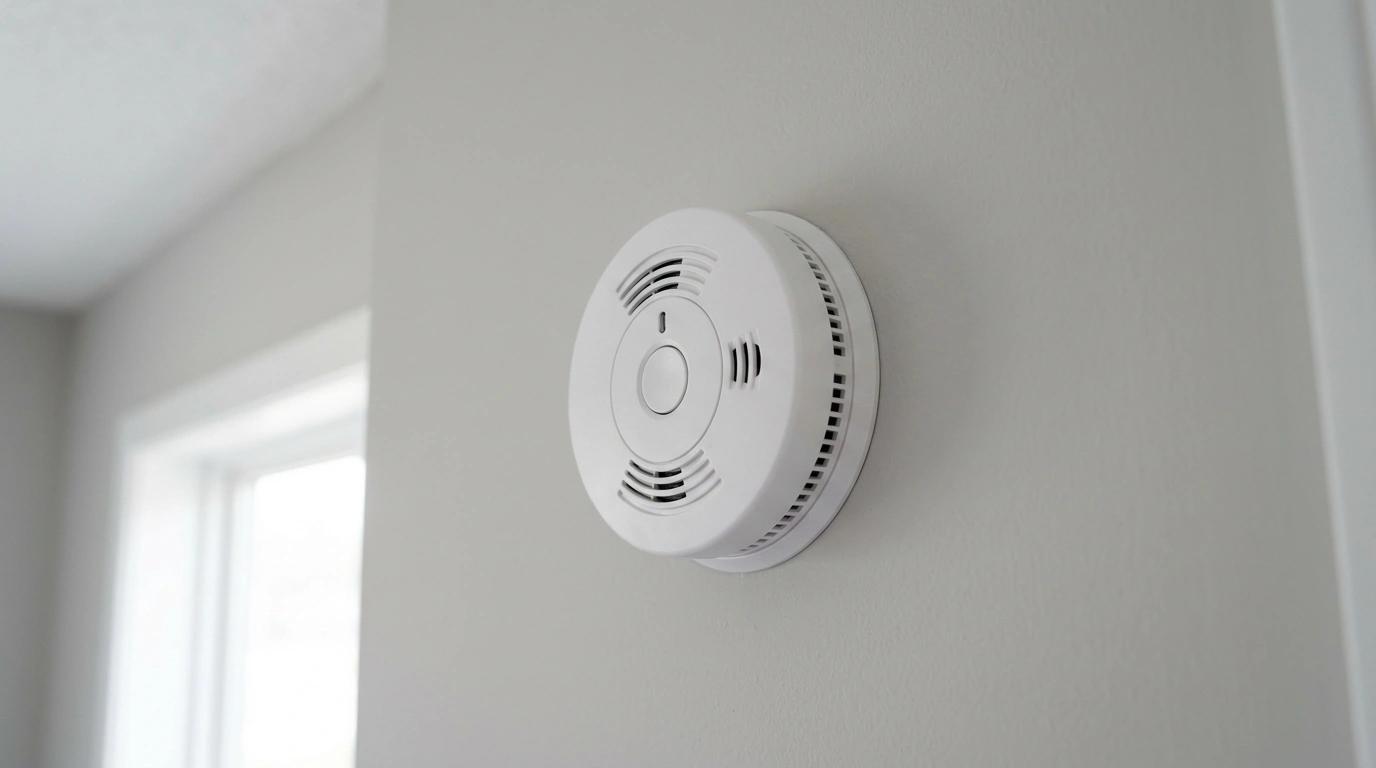
- Install a combination smoke and carbon monoxide detector near sleeping areas
- Learn now — not during an emergency — exactly where your home’s gas shutoff valve is
- Teach every adult and older child the same information
An emergency is a bad time to be the only person who knows where the valve is.
A Note on Propane
Homes running on propane follow the same core response, since propane is odorized the same way for the same reason.
- One practical difference: propane is heavier than air and pools in low areas like basements rather than dispersing upward
- This is part of why propane detectors often sit closer to the floor than natural gas detectors do